

Are you looking for a new twist in your fruit choices? Dive into our collection of Fruits Start with U. Sweet, sour, or exotic, there's something here for every palate. It's a fruity adventure from the vibrant Umbu to the zesty Uva Rara grape!

You may also like to read some Fruits starting with S.
Jump to:
- Fruits that Start with U
- Ugli
- Udara (African Star Apple)
- Ugni Berries (Chilean Guava)
- Umeboshi (Japanese Plum)
- Umbu (Spondias tuberosa)
- Umbra (Spondias dulcis)
- Uvalino Grape
- Usuma (Bunchosia argentea)
- Uva Rara Grape
- Ukranian Heart Tomato
- Uvaria
- Ububese
- Urava
- Uvilla (Physalis peruviana)
- Umari (Poraqueiba sericea)
- Utu (Parartocarpus venenosa)
- Uva Tosca Grape
Fruits that Start with U
Fruits beginning with U are a relatively rare and unique group in the world of fruits. These fruits offer a diverse range of flavors and culinary uses. Whether you're exploring tropical Jamaican flavors, West African delicacies, South American berries, or Japanese pickled plums, each "U" fruit has its own unique cultural and culinary significance.
Here is the list of fruits that start with u
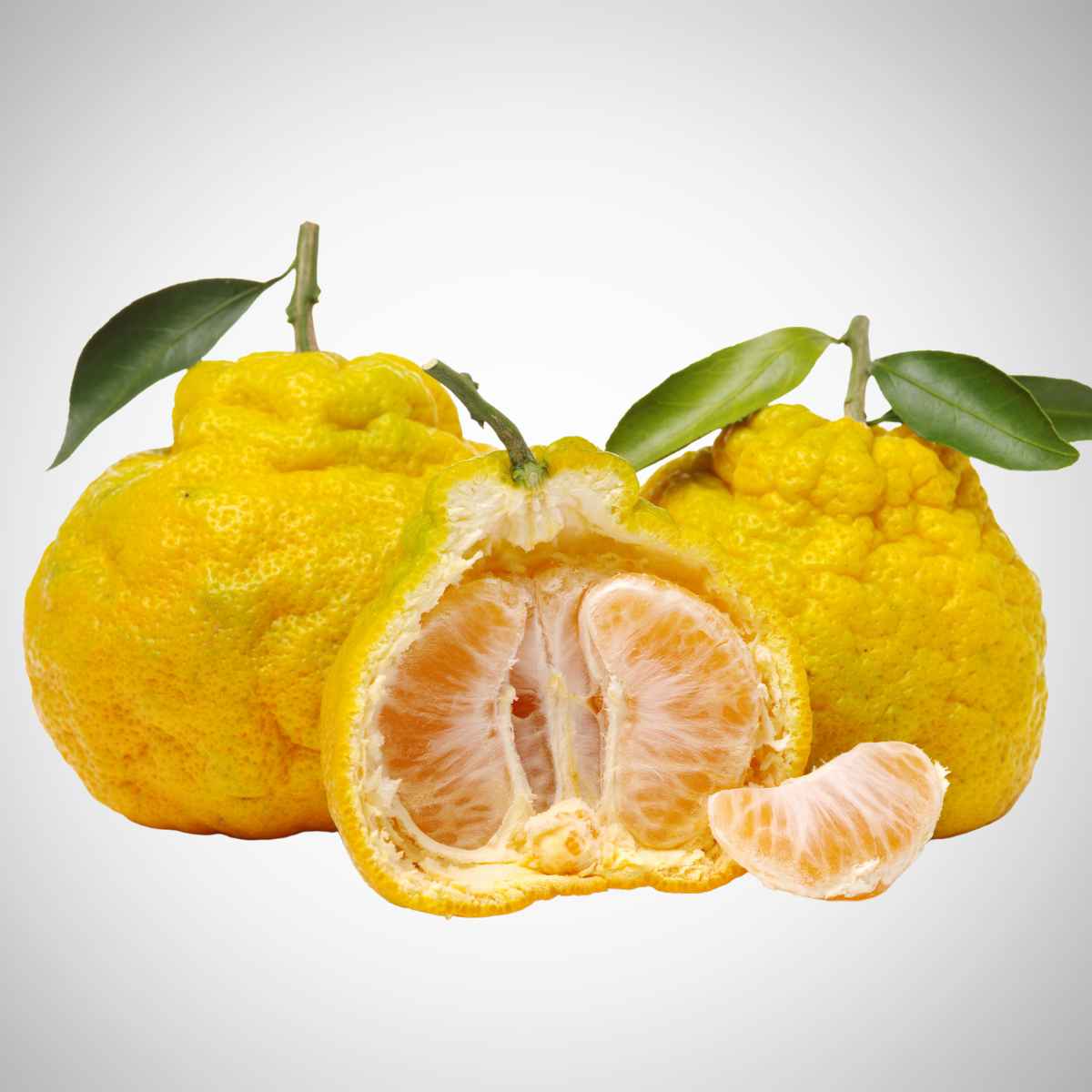
Ugli
Ugli is one of the list of fruits that start with the letter U. It is a unique tropical citrus fruit known for its unusual appearance and sweet-tangy flavor.
- Origin: It was first discovered in Jamaica and is a natural hybrid of tangerine, grapefruit, and Seville orange.
- Color: The skin is greenish-yellow and wrinkled, while the flesh is orange.
- Texture: The flesh is juicy and slightly coarse.
- Season: It is typically in season during the winter months.
- Flavor: Ugli Fruit has a sweet and tangy flavor with a hint of bitterness.
- Nutrition: It's a good source of vitamin C and dietary fiber.
Udara (African Star Apple)
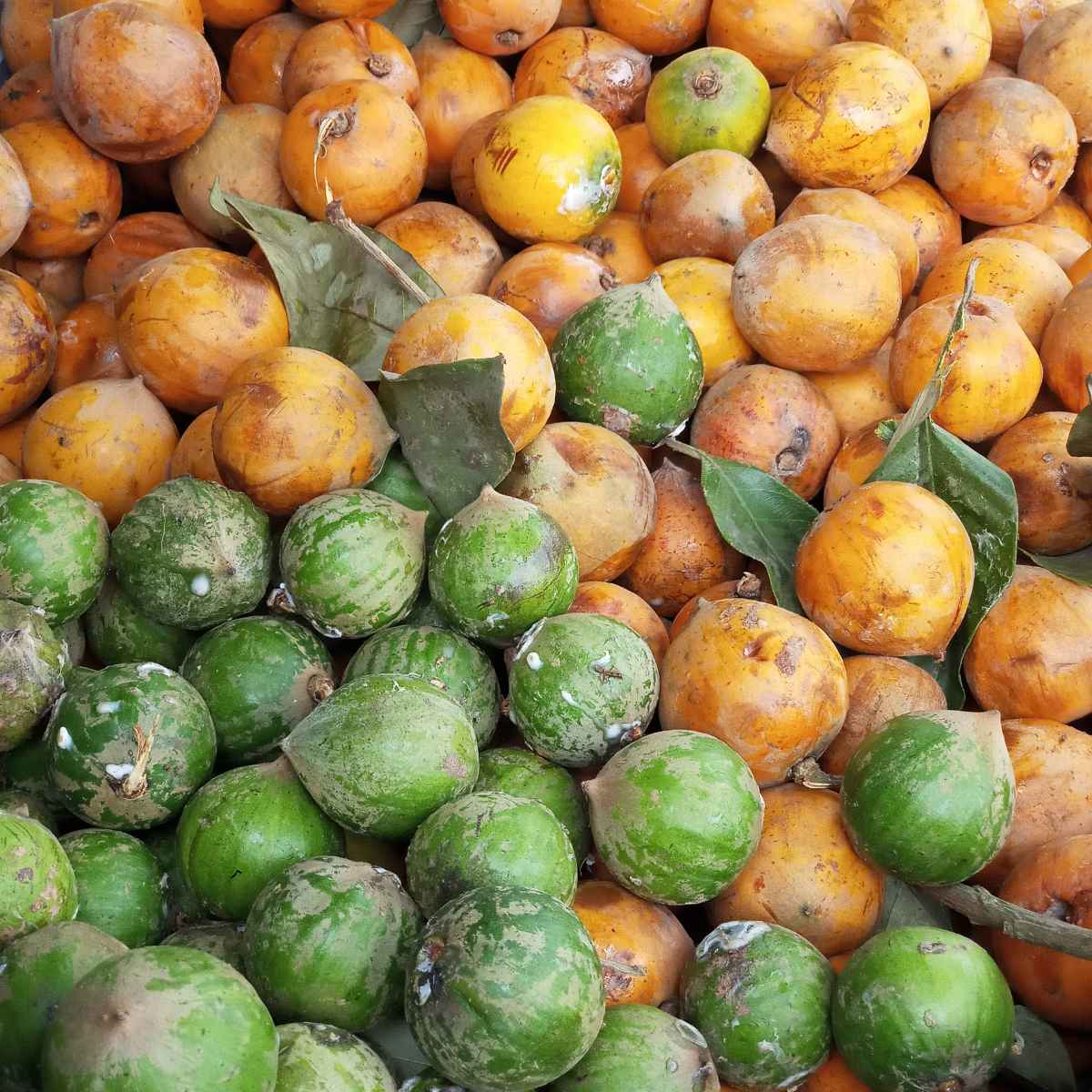
The Udara, also known as the African Star Apple, is a tropical fruit native to West Africa.
- Origin: It is indigenous to West Africa.
- Color: The skin is typically green when unripe and turns yellow or orange when ripe.
- Texture: The flesh is juicy and often slightly granular.
- Season: Udara is in season during the dry season, from December to April.
- Flavor: It has a unique sweet-tart flavor, similar to cotton candy or grape juice.
Ugni Berries (Chilean Guava)
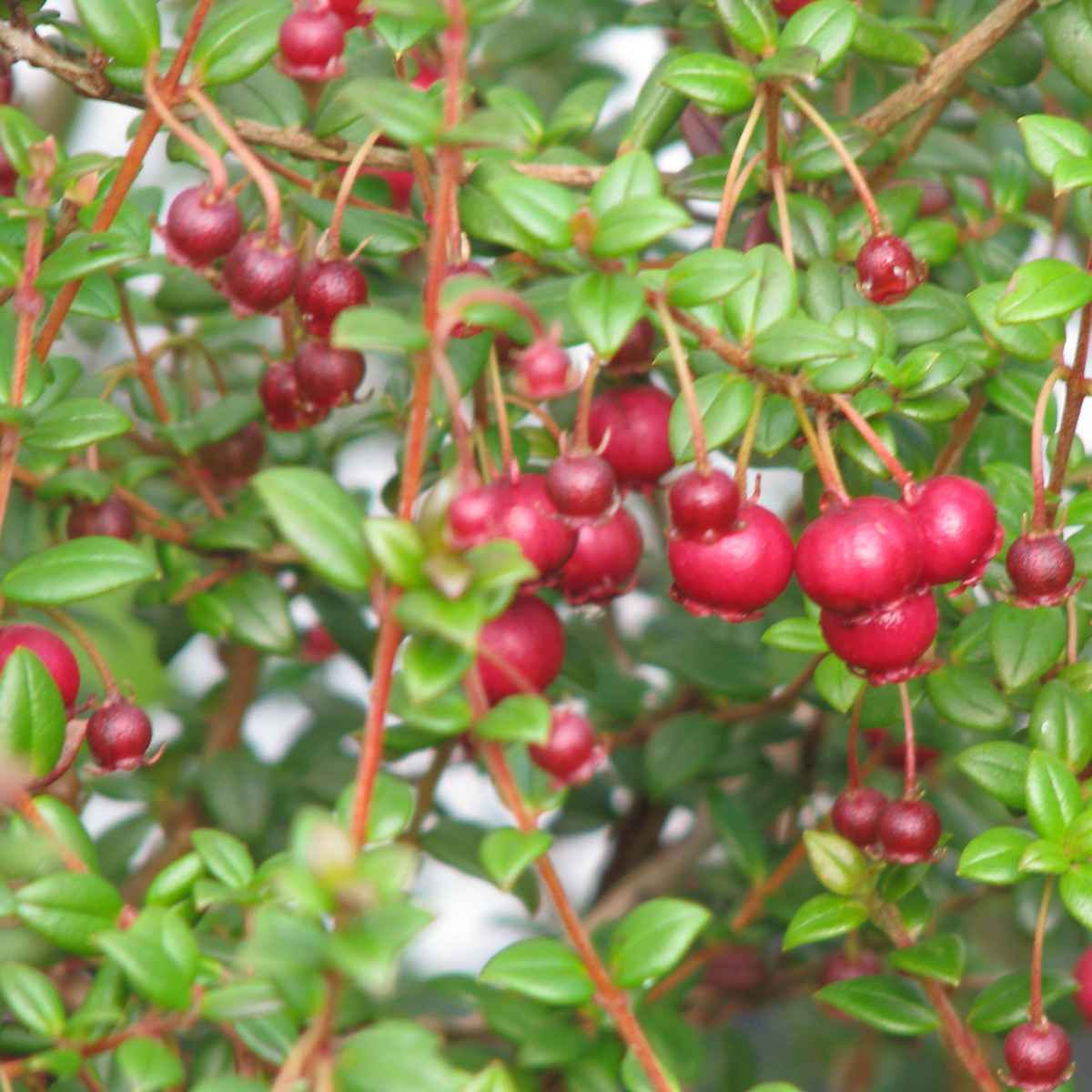
The Ugni fruit starting with the letter u is another name for the Chilean Guava, a small, flavorful berry native to South America.
- Origin: It is native to South America, particularly Chile and Argentina.
- Color: Ugni berries are typically red or purple.
- Texture: The berries have a slightly grainy texture.
- Season: Ugni berries are in season during late summer and early fall.
- Flavor: They have a sweet and slightly tart flavor reminiscent of strawberries and cranberries.
Umeboshi (Japanese Plum)
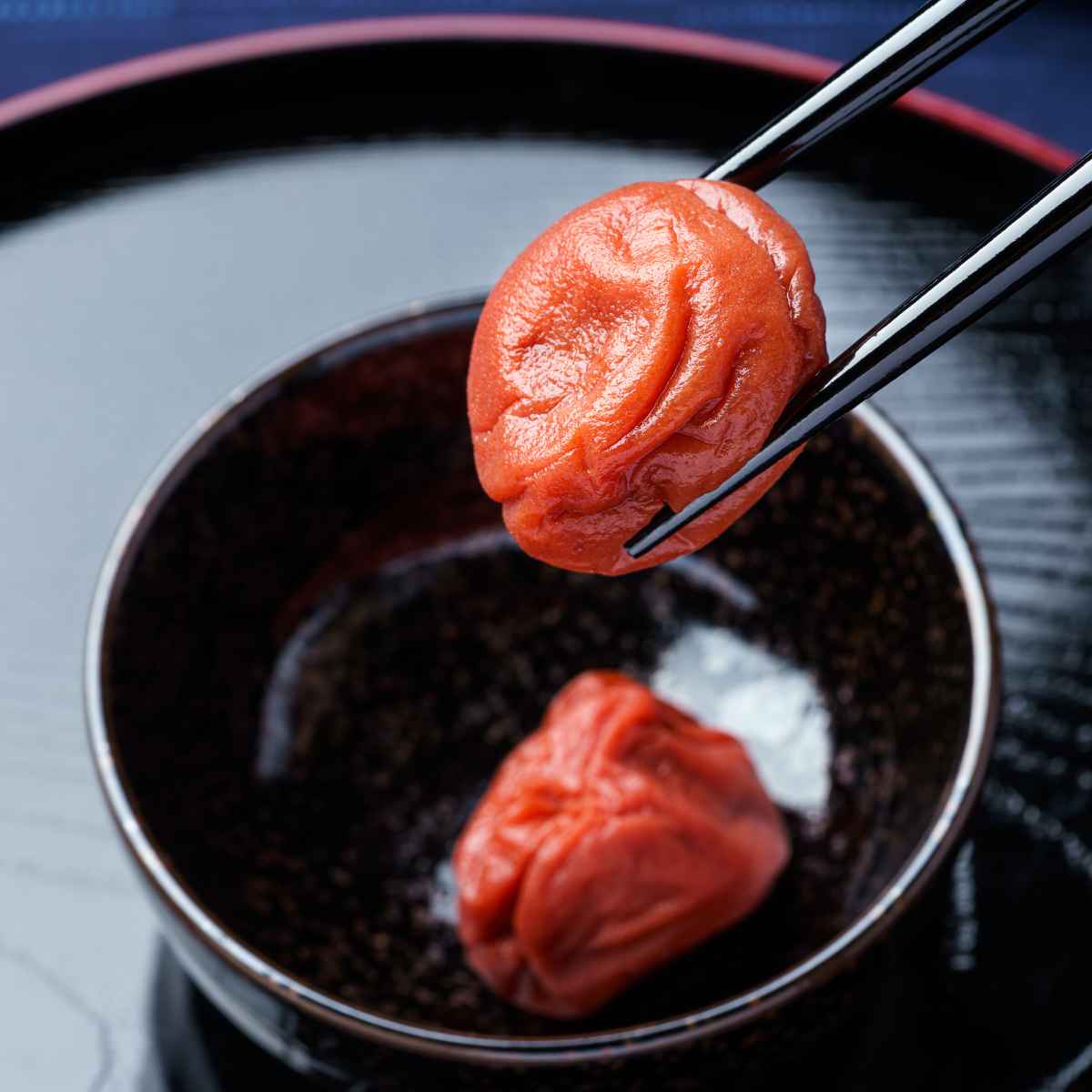
Ume is a Japanese plum known for its culinary uses, including making umeboshi (pickled plums).
- Origin: Ume is native to China but was introduced to Japan over a thousand years ago.
- Color: Ume plums can range from green to yellow to red when ripe.
- Texture: The flesh is firm and often used for pickling.
- Season: Ume is typically harvested in early summer.
- Flavor: Depending on ripeness, they can be sour and astringent or sweet and tart. Umeboshi are famously salty and sour.
Umbu (Spondias tuberosa)
Umbu fruit starting with U, is a small green fruit native to Brazil, also known as Brazilian plum. It is famous for its sour taste.
- Origin: It is native to Brazil.
- Color: Umbu fruits are typically green.
- Texture: The flesh is soft and juicy.
- Season: Umbu fruits are harvested during the rainy season in Brazil, from December to April.
- Flavor: They have a sour taste and are commonly used to make juices and sweets.
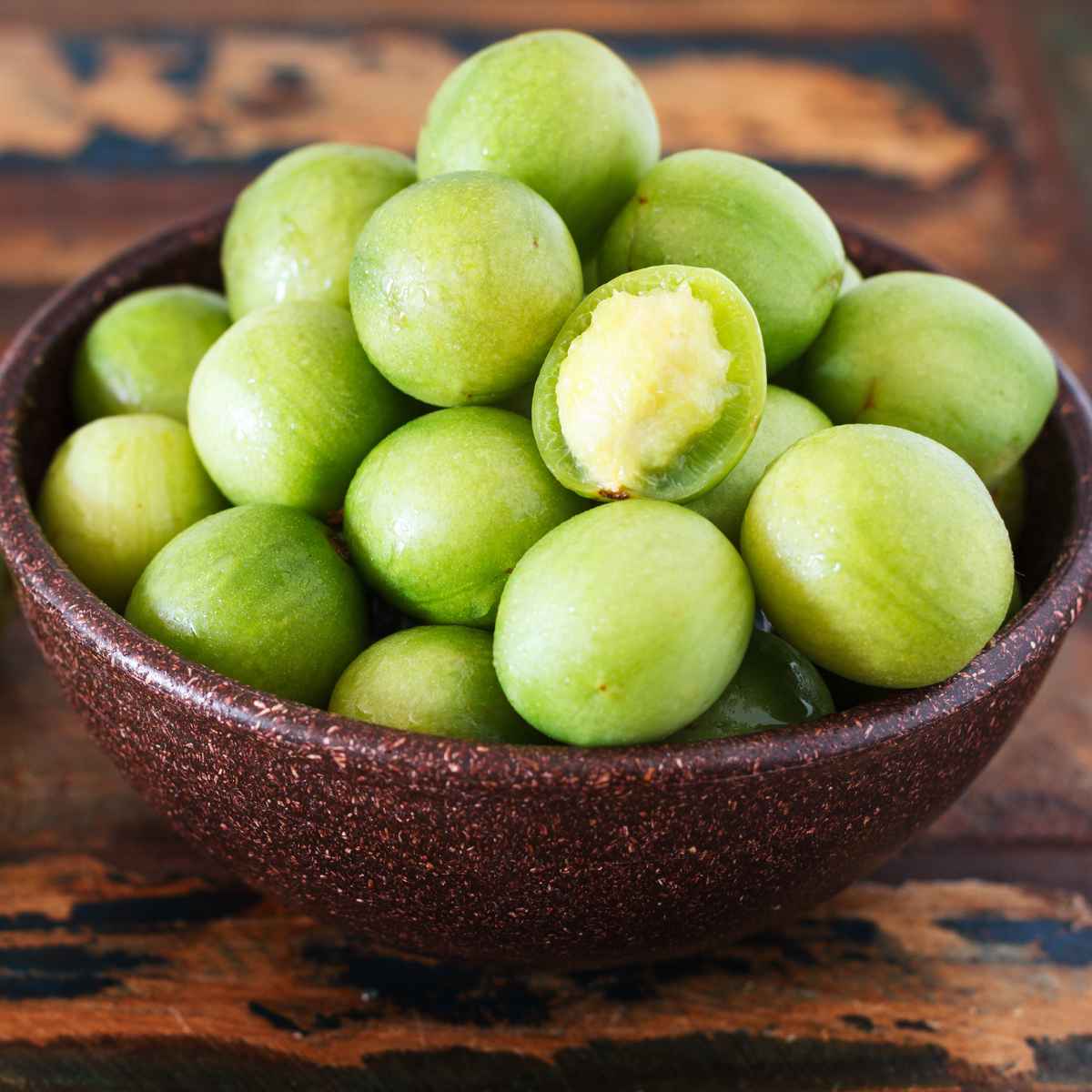
Umbra (Spondias dulcis)
Umbra are small, oval-shaped fruits that are prized for their unique flavor and culinary versatility. They are commonly known as June plum, Kedondong, Indian hog plum, or golden apple.
- Origin: Umbra is believed to be native to Southeast Asia but has spread to many tropical and subtropical regions worldwide, including the Caribbean, and parts of Africa.
- Color: The color of Umbra fruit can vary depending on the stage of ripeness. They are typically green when unripe and turn yellow or orange as they ripen.
- Texture: The texture of the fruit's flesh is juicy and somewhat fibrous, similar to other tropical stone fruits.
- Season: Umbra fruits are generally in season during the warm months of the year, typically from late spring to early fall, depending on the specific region and climate.
- Flavor: The flavor of Umbra fruit is a delightful combination of sweet and tangy. It is often compared to a mix of flavors, including mango, pineapple, and apricot, with a hint of tartness.
- Nutrition: It is a source of vitamins and minerals, particularly vitamin C. It also contains dietary fiber and antioxidants, making it a nutritious addition to a tropical diet.
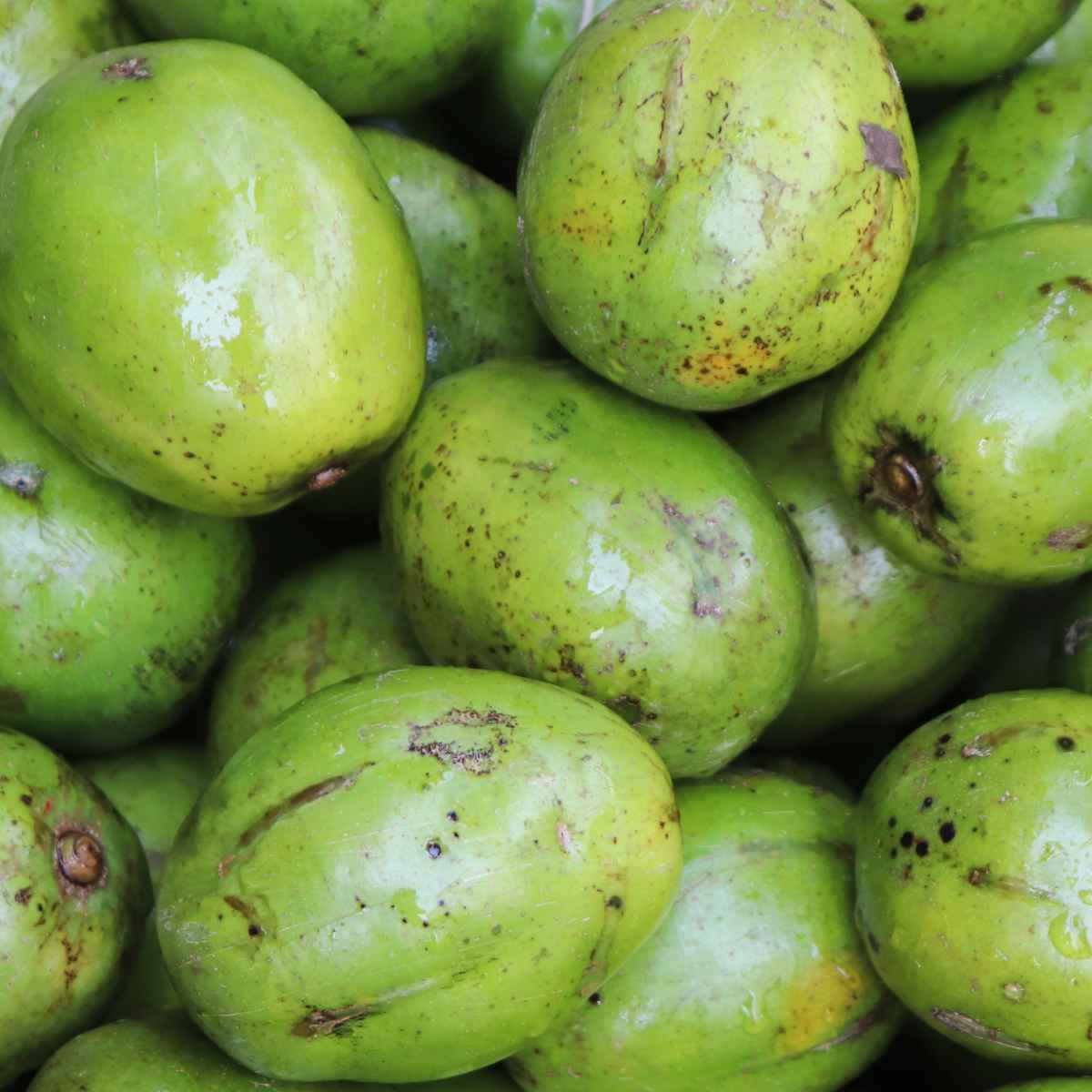
Uvalino Grape
Uvalino Grape is a red Italian wine grape variety that is primarily grown in the Piedmont wine region of northwest Italy. It is a lesser-known grape variety used in winemaking.
- Origin: It is associated with the Piedmont wine region of Italy.
- Color: The appearance of Uvalino grapes can vary, but they are typically small to medium-sized, round, and dark red or purple when fully ripe.
- Texture: Grapes, including Uvalino grapes, have a juicy and succulent texture with a thin skin.
- Season: They are typically harvested during late summer or early fall.
- Flavor: The flavor of Uvalino grapes can vary but is often described as having a balanced taste with elements of sweetness and acidity, typical of red wine grapes.
- Nutrition: They are high in antioxidants and vitamin C.
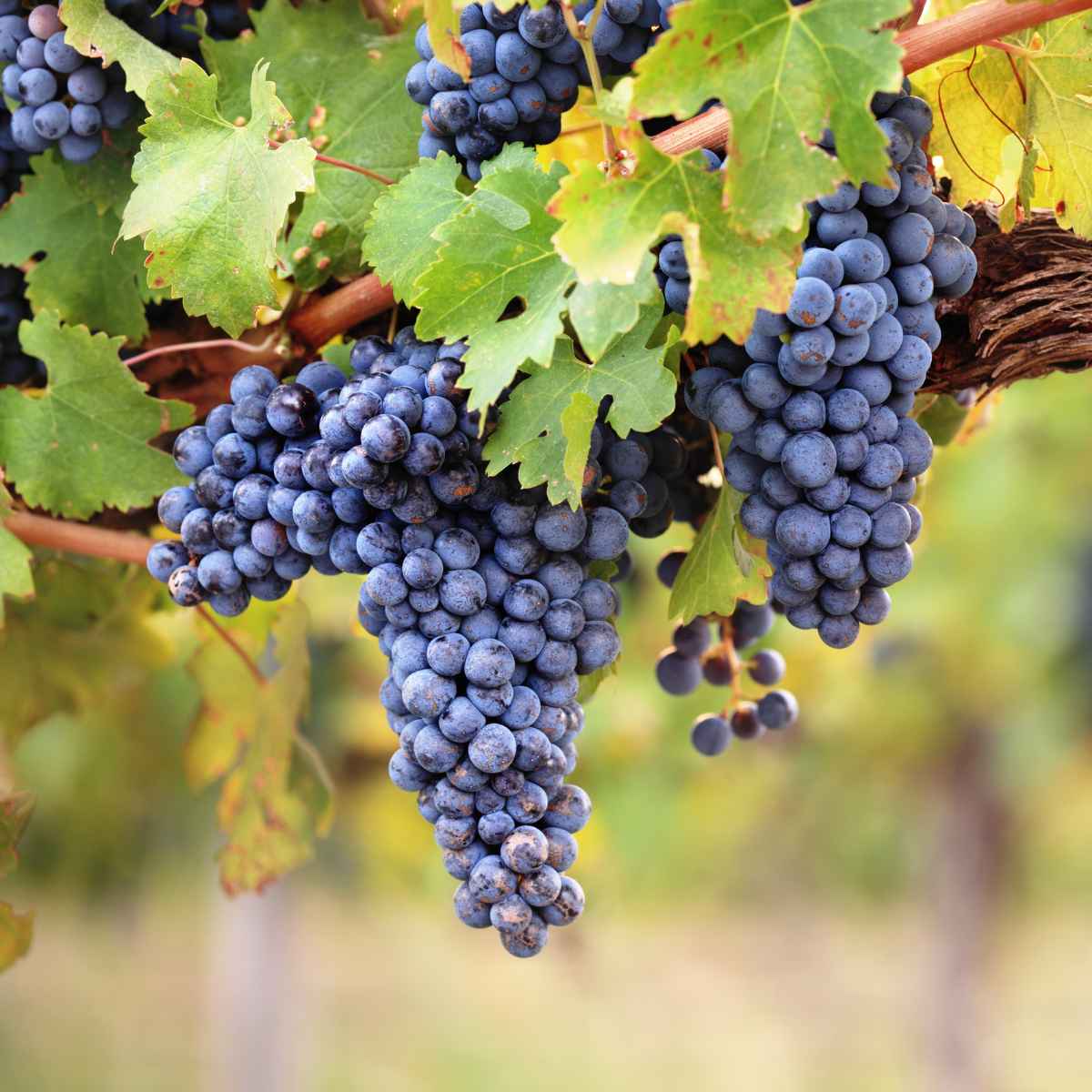
Usuma (Bunchosia argentea)
The Usuma is one of the fruits that starts with u. It is also known as peanut butter fruit. It is grown on a tropical fruit tree scientifically known as Bunchosia argentea.
- Origin: Usuma fruit is native to South America, particularly countries like Brazil and Argentina. It has been cultivated and grown in other tropical areas as well.
- Color: It is small, and round, typically about the size of a cherry or grape. It can range in color from yellow to orange when ripe.
- Texture: The texture of Usuma fruit's flesh is often described as creamy and smooth, similar to peanut butter.
- Season: The fruit is typically in season during the warm months, often in late spring or summer, depending on the specific region.
- Flavor: True to its name, the Peanut Butter Fruit is known for its flavor that resembles peanut butter, with a combination of nuttiness and sweetness. Some also detect hints of vanilla in its taste.
- Nutrition: Peanut Butter Fruit is a source of vitamins and minerals and is valued for its unique taste and versatility in the kitchen. It is also a good source of dietary fiber.
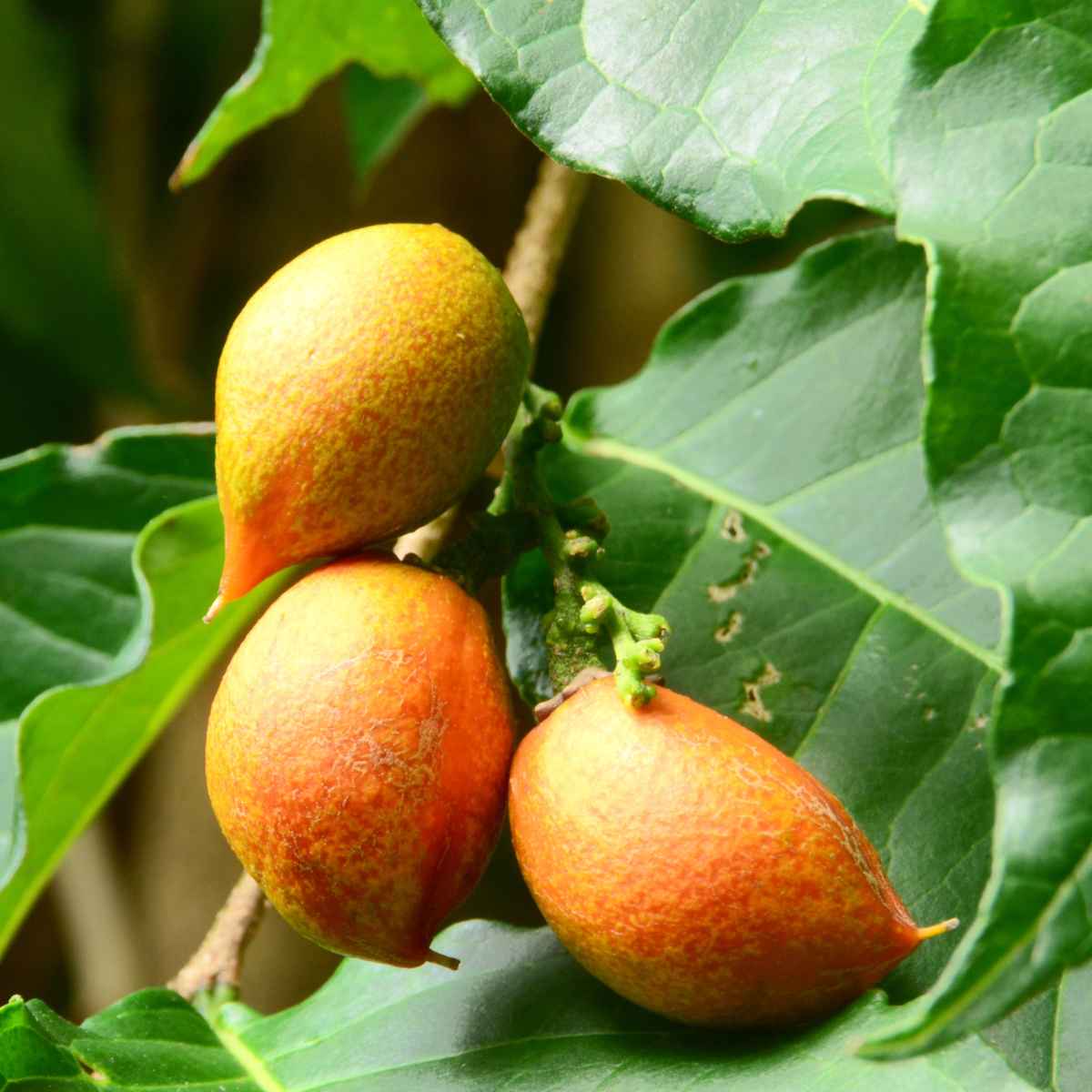
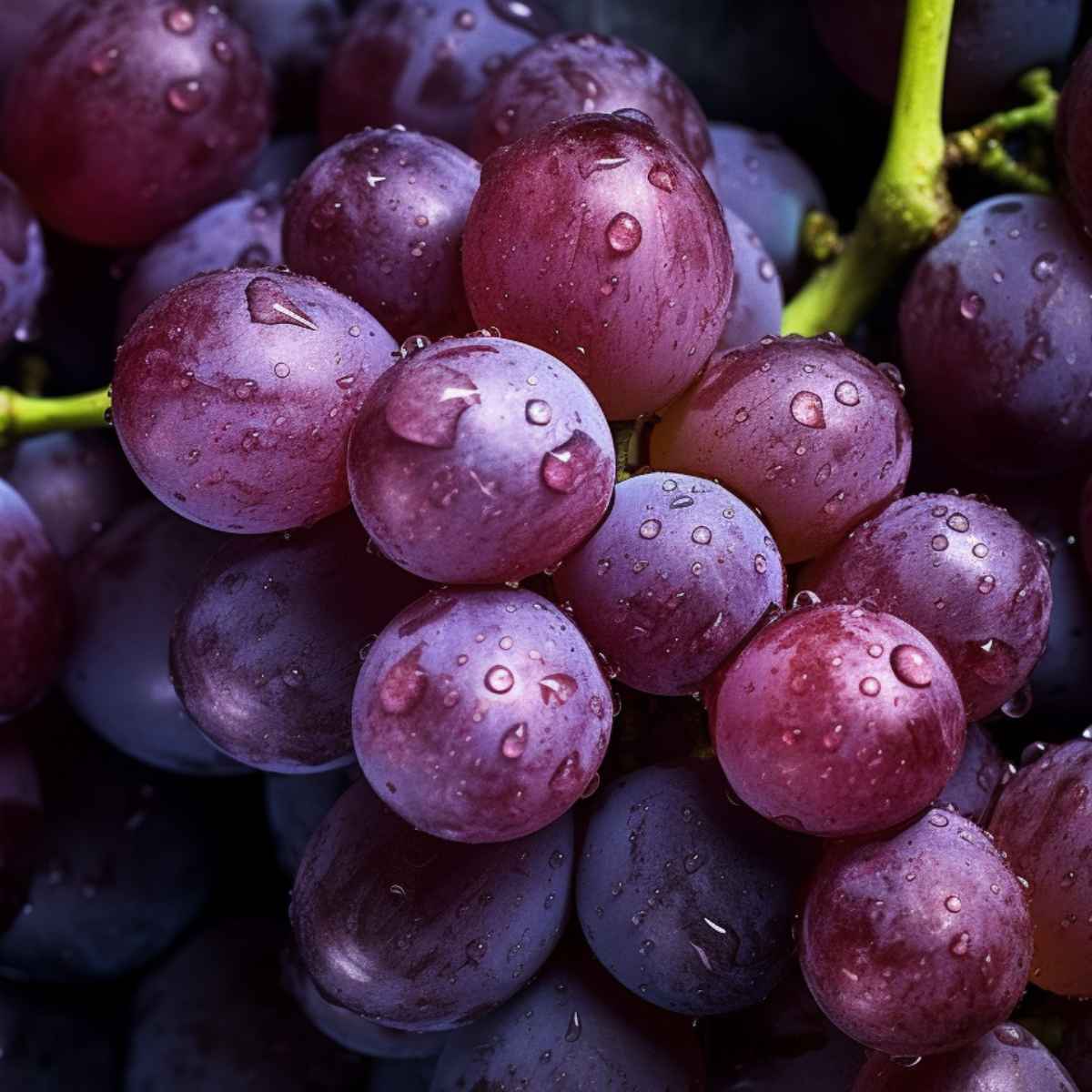
Uva Rara Grape
Another fruit starting with U is Uva Rara Grape. It is a grape variety used in winemaking, known for its unique characteristics.
- Origin: It may have origins in the Piedmont and Lombardy region or other grape-growing regions.
- Color: Depending on the ripeness, they range from green to fresh red to dark purple.
- Season: They are harvested in late summer and early fall.
- Flavor: Sweet with a hint of tart.
- Nutrition: These grapes are low-calorie and rich in antioxidants like resveratrol, vitamins (C and K), and minerals (potassium). They promote heart health, reduce oxidative stress, and support digestion.
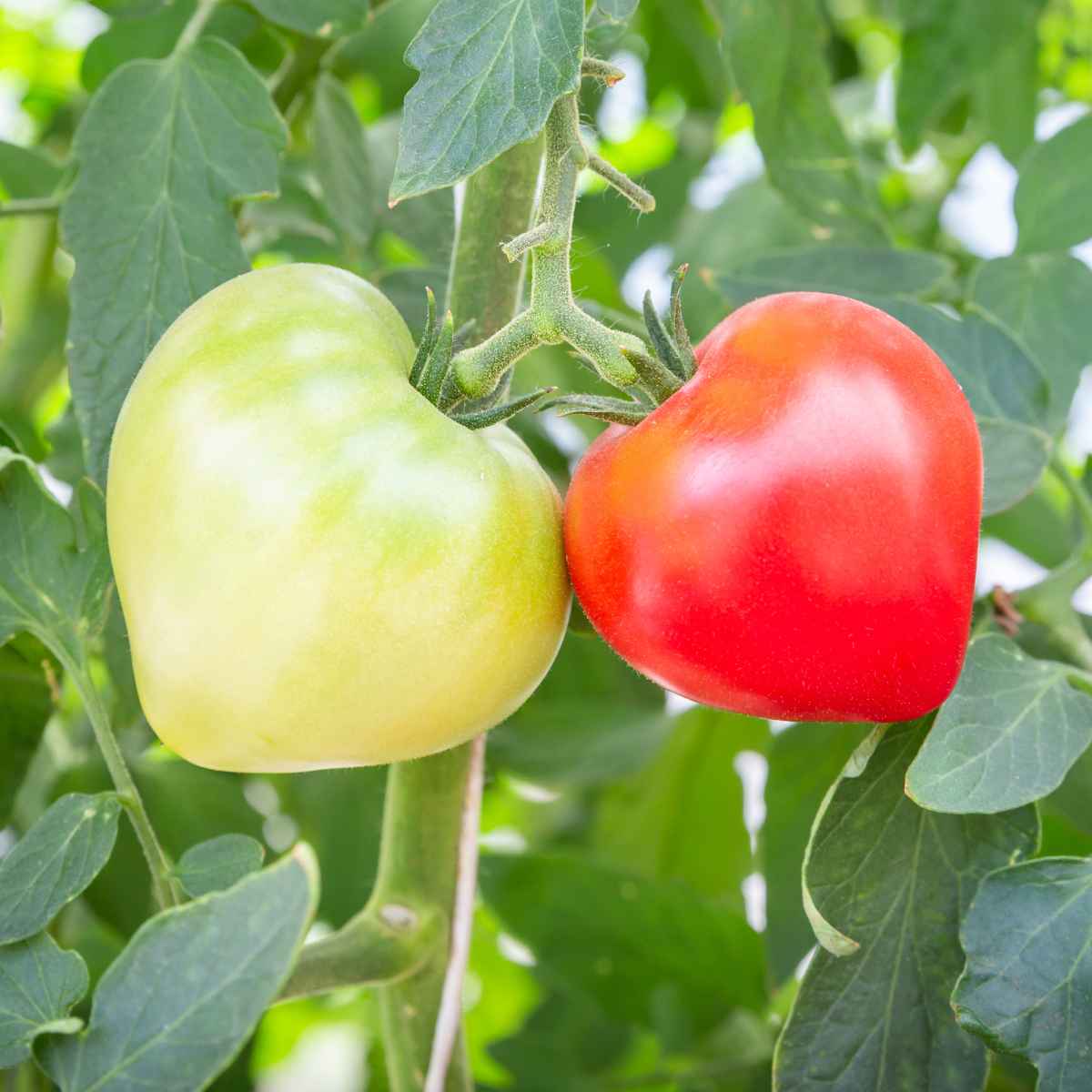
Ukranian Heart Tomato
The Ukrainian Heart Tomato is a unique tomato variety known for its large, heart-shaped appearance.
- Origin: It is a tomato variety that can be found in gardens, particularly in Ukraine.
- Color: These tomatoes are typically red or pink.
- Texture: The flesh is firm and often used for salads.
- Season: They are typically in season during the summer months.
- Flavor: Ukrainian Heart Tomatoes have a rich, sweet, and slightly tangy flavor.
- Nutrition: They are low in calories and a good source of vitamins C and K, as well as potassium and antioxidants like lycopene, which may benefit heart health and reduce the risk of chronic diseases.
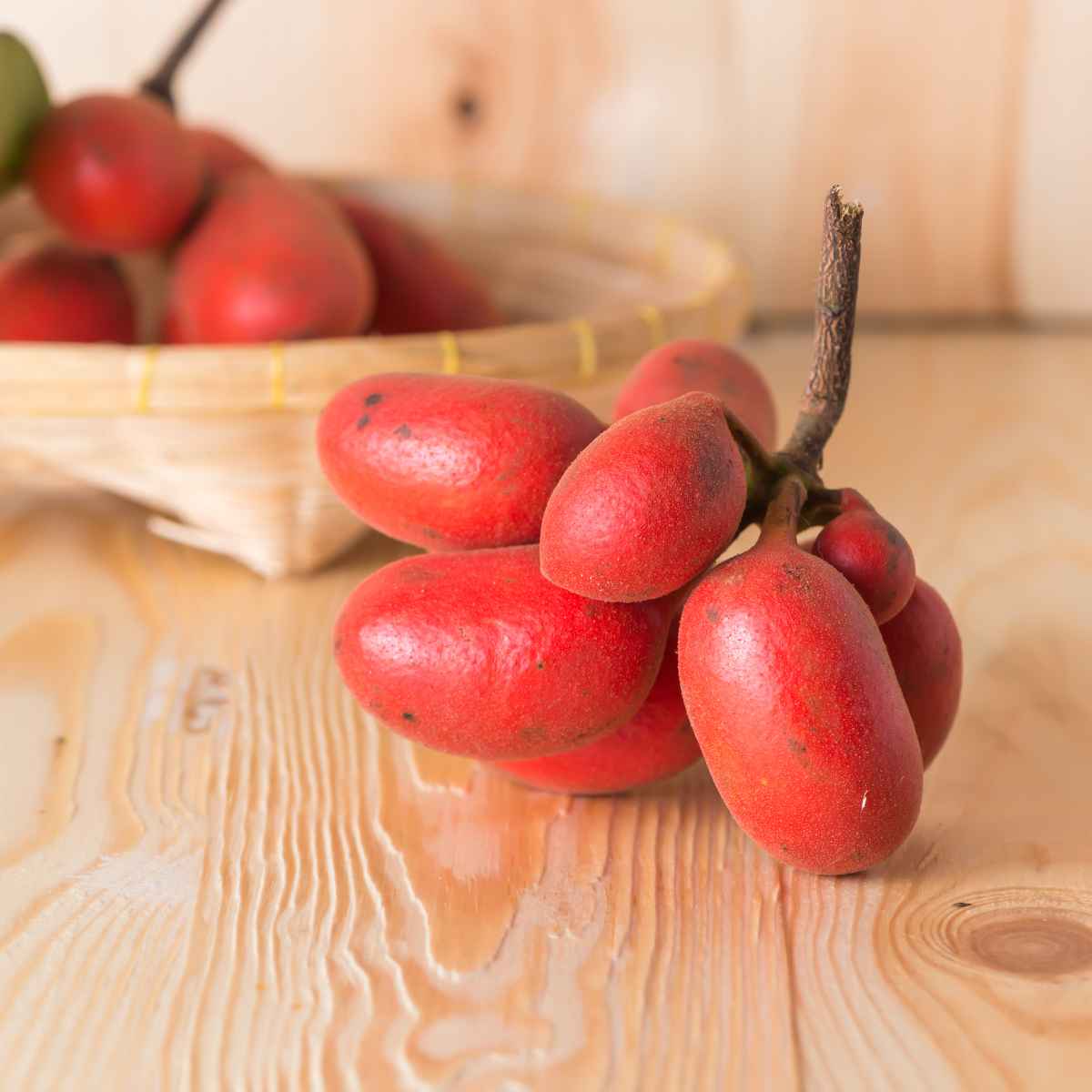
Uvaria
Uvaria is known by various common names, including "finger root," "bush banana," and possibly others, depending on the region. It is a climbing large shrub or small tree that belongs to the Uvaria genus within the Annonaceae family.
- Origin: Uvaria is native to tropical West and Central Africa. It thrives in the warm and humid climates of this region.
- Flavor: A mix of sweet and sour flavor.
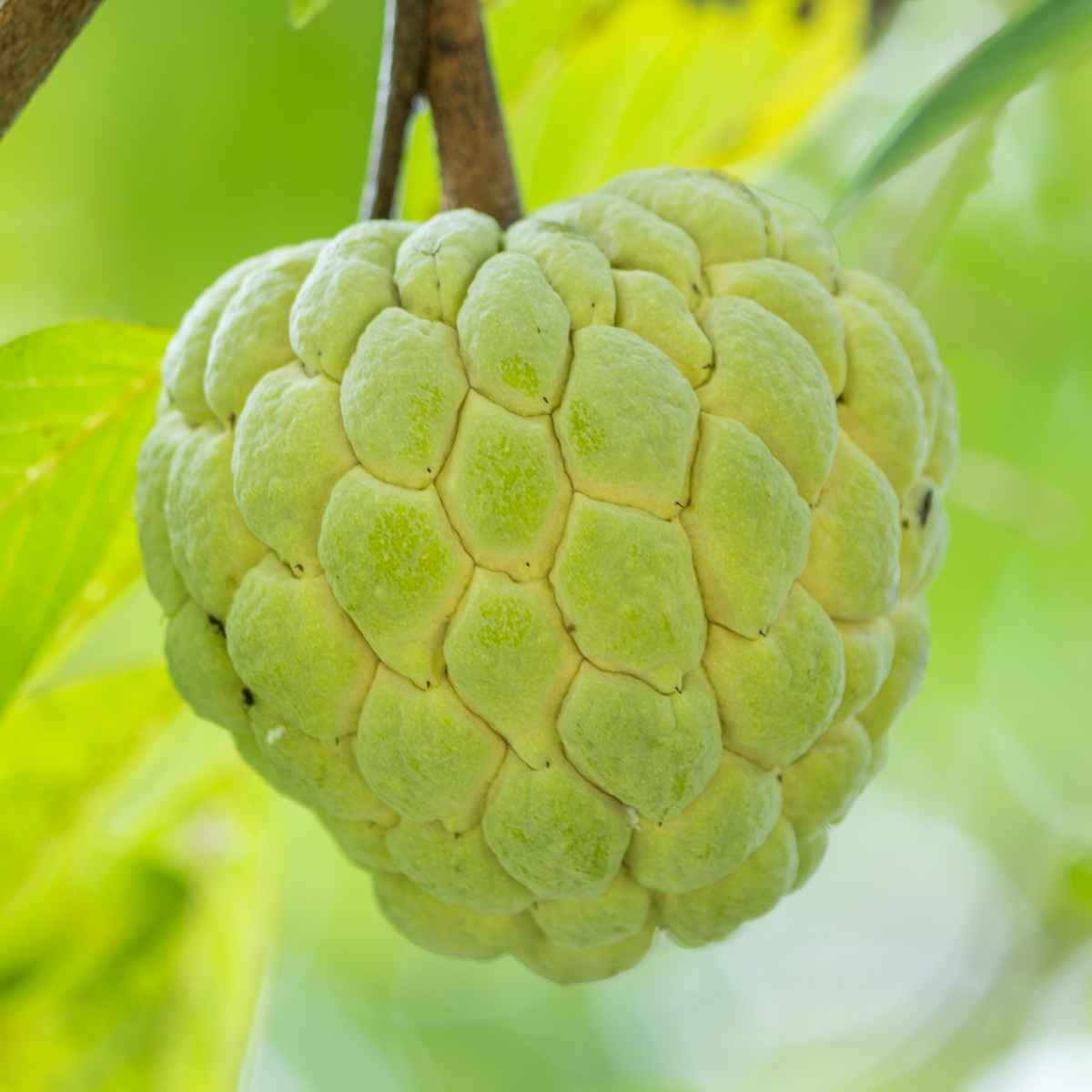
Ububese
The Ububese fruit is also known as the African custard apple Ground Sop and Muroro.
- Origin: They are native to various tropical regions in Africa.
- Appearance: They are distinct with their greenish-yellow, scale-like skin and less prominent bumps compared to other custard apples.
- Texture and Taste: When opened, they reveal a fibrous flesh that resembles and tastes like custard, with a sweet, yellow interior.
- Culinary Use: The sweet flesh of ububese fruit is commonly enjoyed fresh and is a popular choice for desserts.
- Season: The peak season for ububese is typically from April to June, making it a seasonal tropical delight.
Urava
Urava fruit is grown on mangrove apple trees, scientifically known as Sonneratia caseolaris. It is a tropical fruit found in coastal mangrove areas.
- Origin: It is found in mangrove ecosystems across East Africa and Southeast Asia.
- Appearance: Urava fruit is green, with a flat yet round shape. When it is cut open, the fruit reveals a dark maroon-colored pulp, which has a slightly dense texture.
- Flavor: The taste of raw urava fruit is not very sweet and has quite a sour flavor.
- It is not only eaten like a fruit when ripe, but also cooked as a vegetable when raw.
- Nutritional Value: Urava fruit is high in Vitamin C, A, and K.
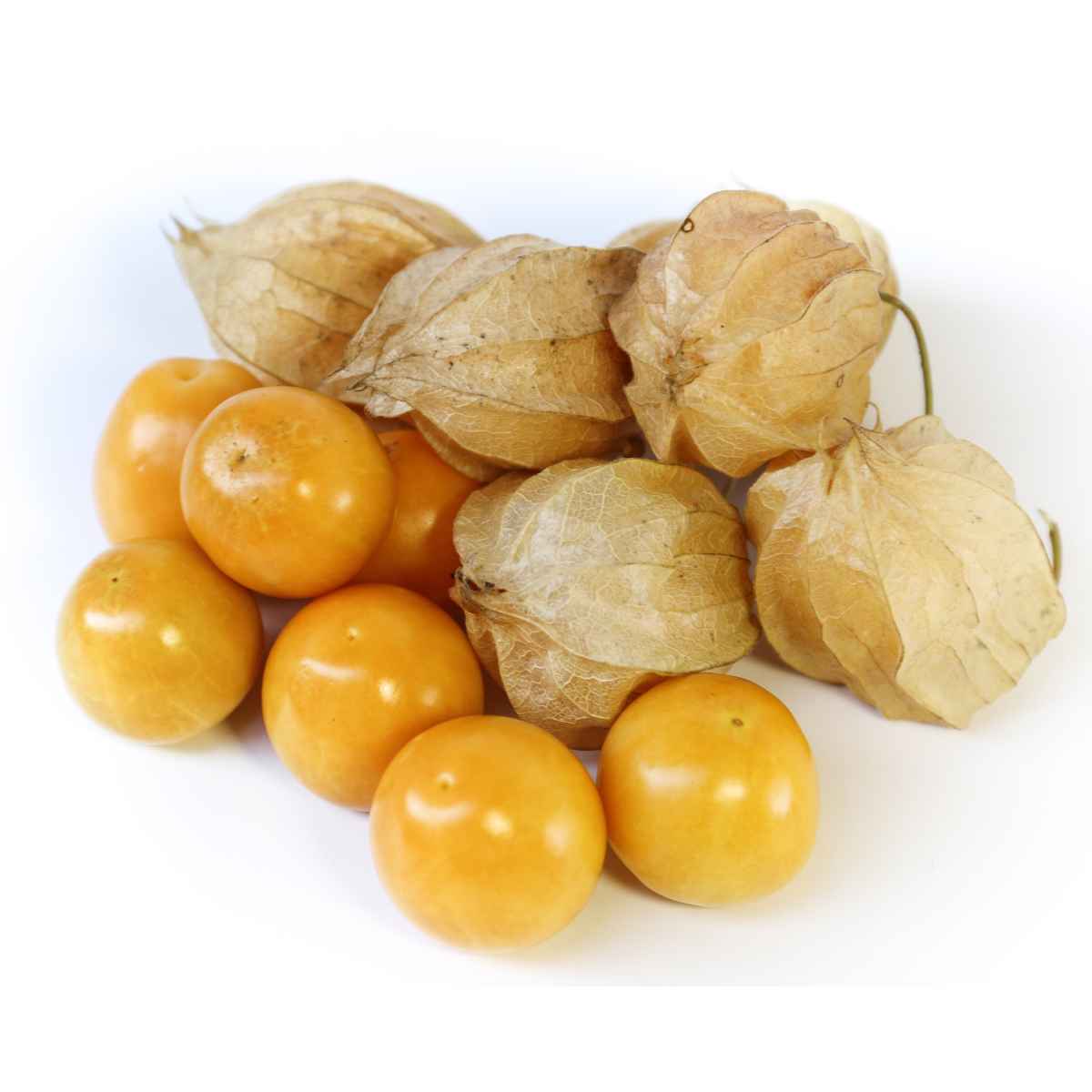
Uvilla (Physalis peruviana)
Uvilla fruit is also commonly known as "Physalis peruviana," "Cape gooseberry," or "Goldenberry." Uvilla fruit, known for its unique taste and papery husk, is a versatile and nutritious fruit enjoyed by many for its sweet-tart flavor and culinary versatility. It's a delightful addition to both sweet and savory dishes.
- Origin: Uvilla fruit is native to South America, particularly the Andes region. However, it is now grown in various parts of the world, including South Africa and New Zealand.
- Fruit Appearance: Uvilla fruit is small, round, and typically about the size of a marble. It is enclosed in a papery husk, which turns brown as the fruit ripens.
- Texture and Flavor: The fruit has a sweet-tart flavor with a tropical twist, often described as a combination of pineapple, mango, and tomato. It has a juicy and slightly crunchy texture.
- Culinary Uses: Uvilla fruit is commonly eaten fresh as a snack or added to salads, desserts, and jams. It is also used in baking and can be dried and enjoyed as a sweet and tangy snack.
- Nutritional Value: Uvilla fruit is rich in vitamins (particularly vitamin C), minerals, and antioxidants. It is considered a nutritious and healthy addition to various dishes.
- Cultural Significance: In some regions, Uvilla fruit is celebrated and used in traditional dishes and celebrations.
- Habitat: This fruit is typically cultivated in regions with a temperate climate, although it can adapt to various environmental conditions.
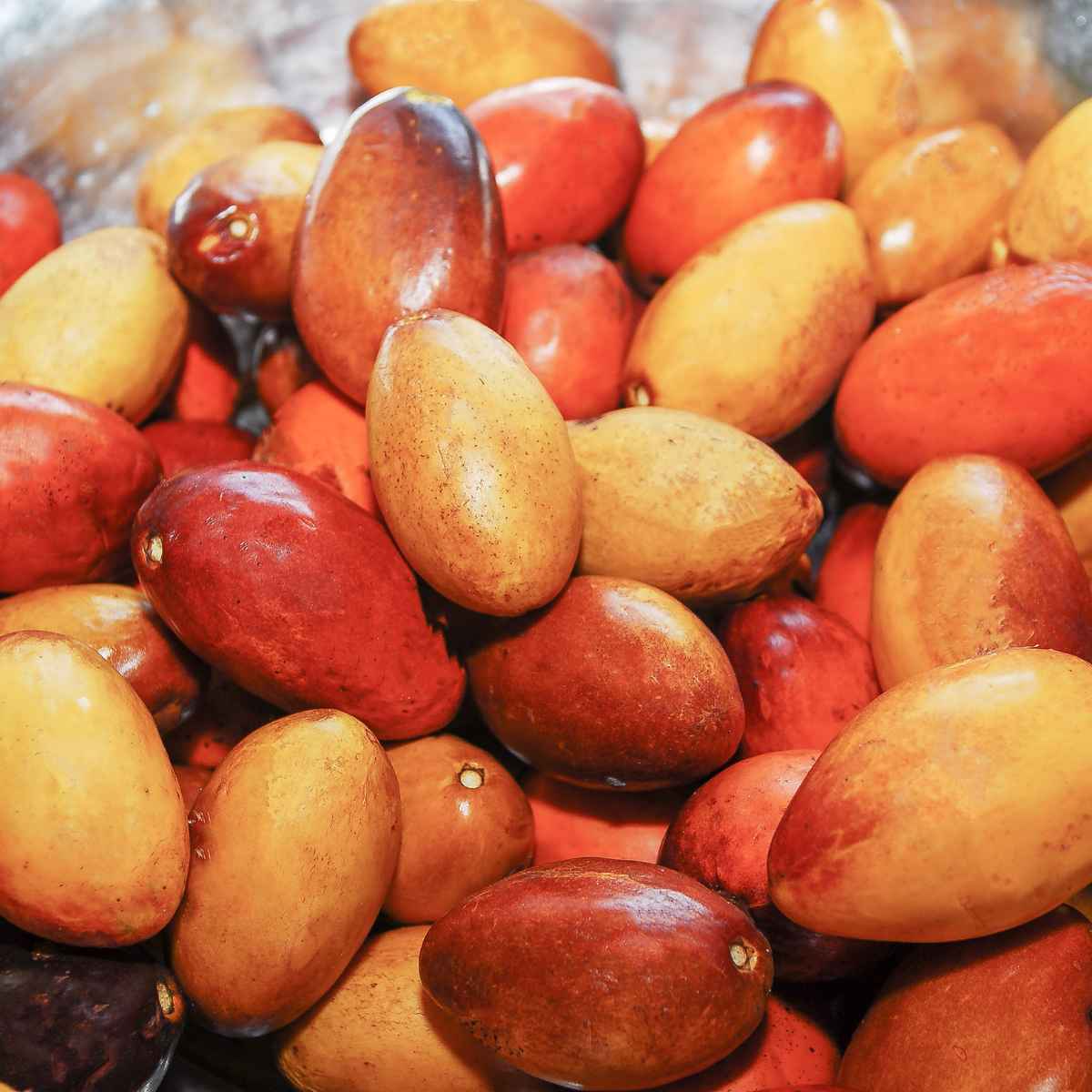
Umari (Poraqueiba sericea)
The Umari trees scientifically known as Poraqueiba sericea, is an evergreen tree that is 40 to 75 feet high. These fruits are medium-sized fruit that shares some visual similarities with mango. These fruits typically reach a size of about 3 to 4 inches and become ripe when their skin turns yellow.
- Origin: This fruit is native to the Amazonian jungle, primarily at the border between Colombia, Ecuador, and Peru. Its natural habitat in Peru is along the Amazon River, where suitable climate conditions support its growth.
- Fruit Appearance: Umari fruit has an oval shape and comes in various colors, including yellow, red, or even black peal, depending on the variety and ripeness.
- Texture: The pulp of Umari fruit has an oily consistency, and it is known for its intense aroma and buttery texture.
- Flavor: Inside, the fruit features yellow-orange flesh with a delightful aroma and unique butter flavor.
Utu (Parartocarpus venenosa)
Utu Fruit, or Parartocarpus venenosa, is a fruit native to tropical West Africa, and it holds culinary and potentially medicinal significance in the regions where it is found. Its unique taste and versatility make it a valuable resource for local communities.
- Origin: Utu Fruit is native to parts of tropical West Africa, including countries like Nigeria and Cameroon.
- Fruit Appearance: The fruit of Parartocarpus venenosa is typically oval or elongated and may have a greenish or yellowish skin when ripe. It has a rough or textured surface.
- Texture and Flavor: The flesh of Utu Fruit is fibrous and may have a slightly sweet or sour taste, depending on its ripeness.
- Culinary Uses: In some regions, Utu Fruit is consumed by locals. It can be eaten fresh or used in various culinary preparations, including soups and stews.
- Habitat: This tree is typically found in tropical forested areas and is valued for its fruit and other uses in the regions where it grows.
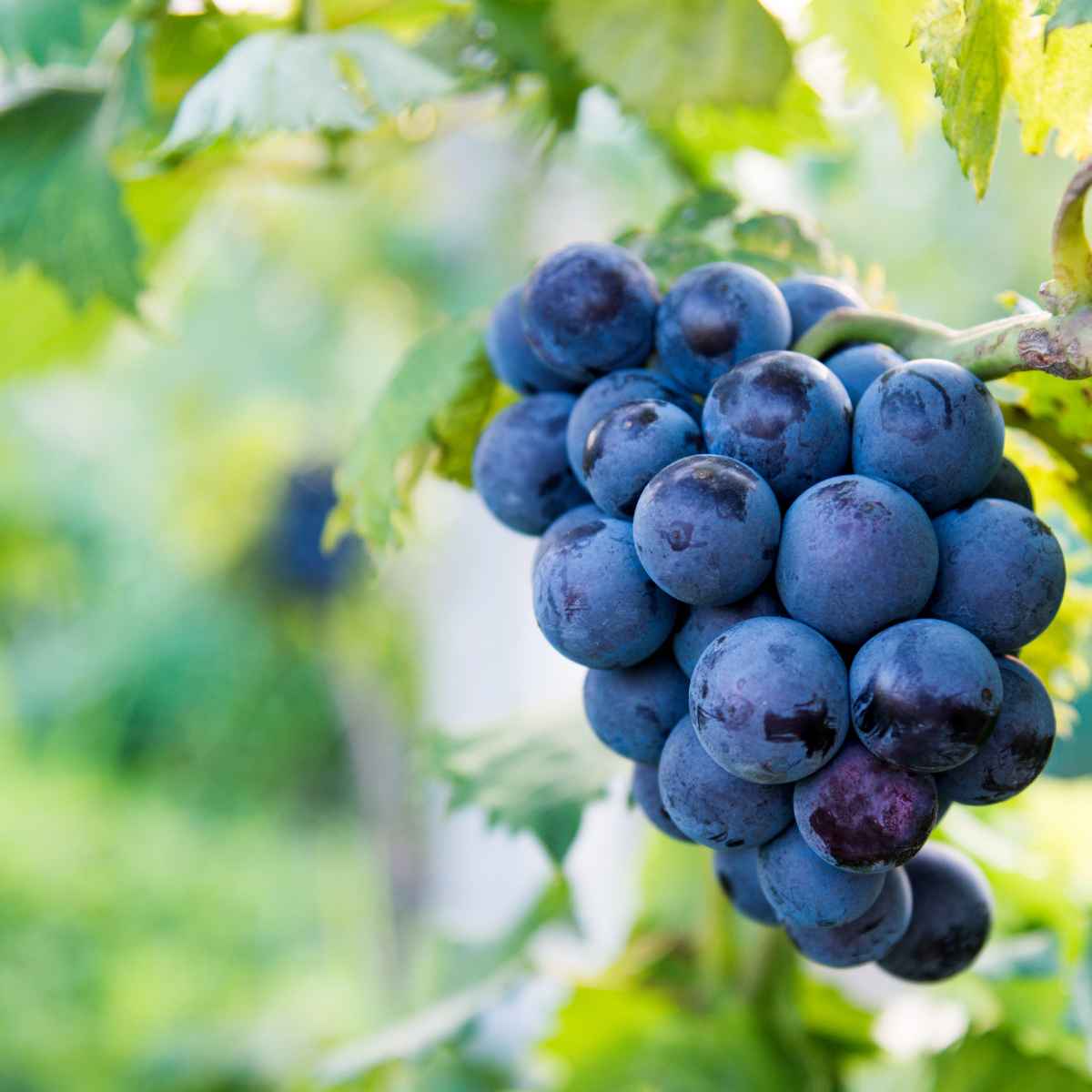
Uva Tosca Grape
The Uva Tosca is a red wine grape variety, that adds to the rich winemaking tradition of the Emilia-Romagna region, particularly in the unique terroir of the Val Secchia area.
- Origin: It is grown in the Emilia-Romagna region of east-central Italy. It is unique in its ability to thrive in the higher elevations of the Val Secchia region.
- Color: Color varies from bright red to dark purple.
- Season: Uva Tosca grapes are harvested in late summer and early fall.
If I come across any additional fruits that start with the letter "U" in the future, I'll be sure to share that information with you. If you have any more questions or need information on this topic, don't hesitate to reach out. Enjoy your exploration of the world of fruits.

Leave a Reply